

Highly Recommended on TripAdvisor
About the Park
Gombe Stream National Park, located on the northeastern shore of Lake Tanganyika, is one of Tanzania’s smallest parks, covering just 52 sq. km. Despite its size, it is world-famous as the site of Dr. Jane Goodall’s pioneering chimpanzee research, which began in 1960 and continues today.
The park is a pristine wilderness of steep valleys, lush forests, and sandy beaches along the lake, offering an intimate experience with both wildlife and nature.
in Gombe national Park
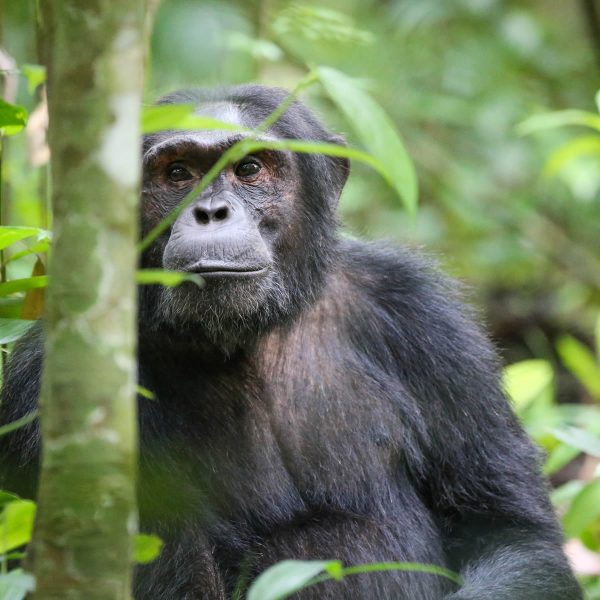
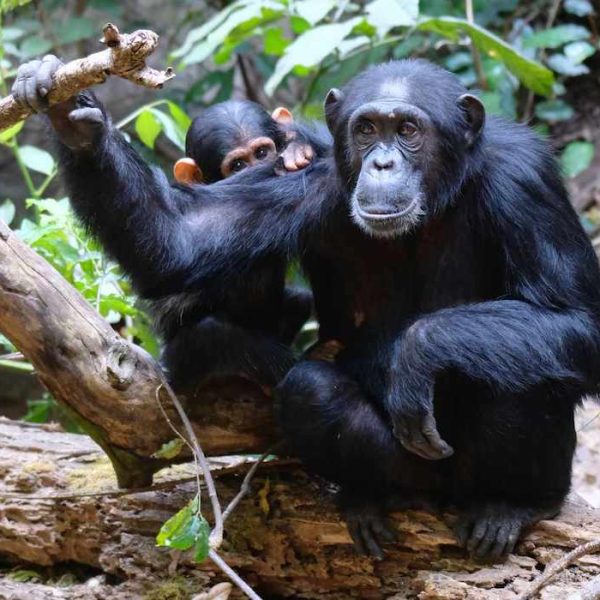
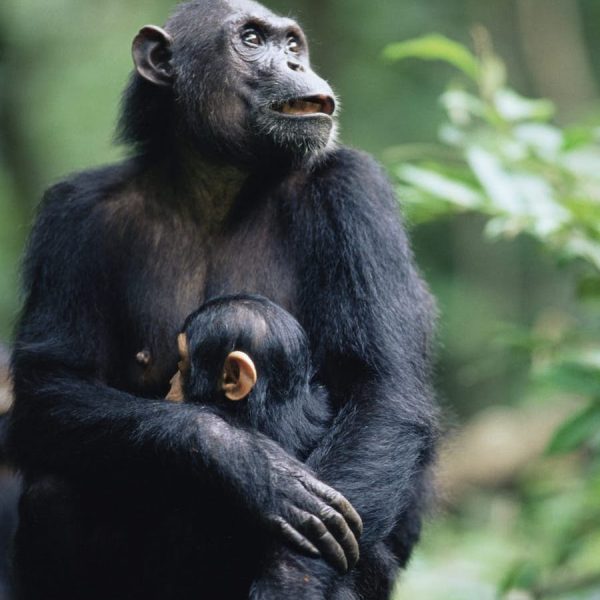
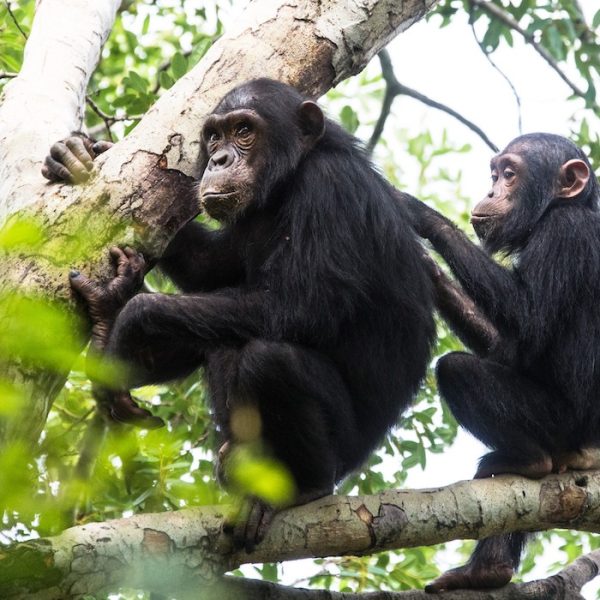
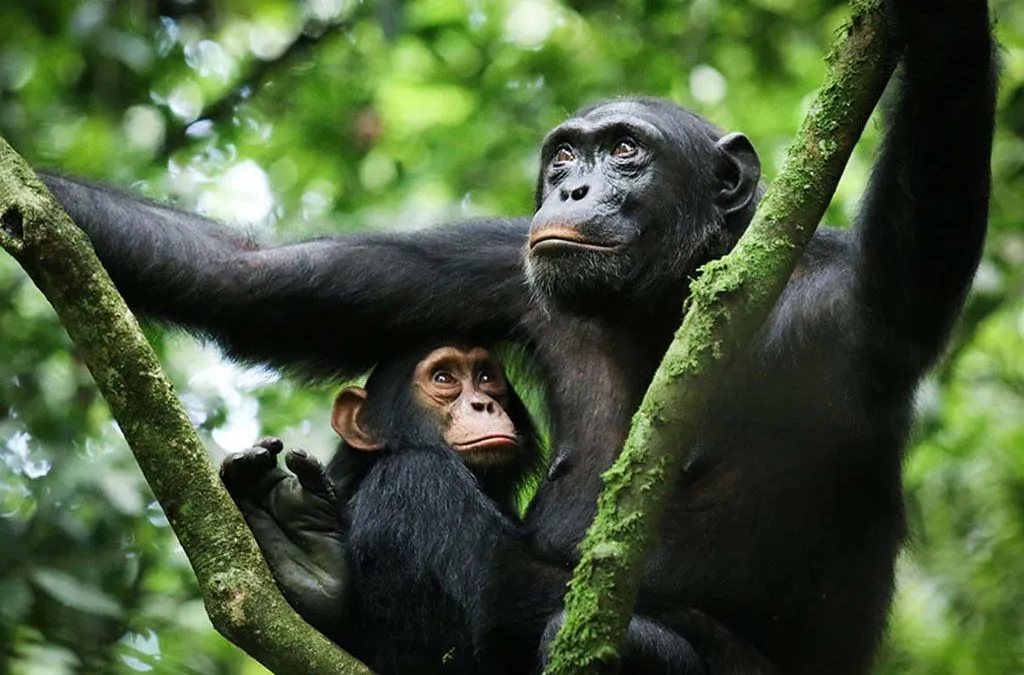
The park is most renowned for its wild chimpanzee population, which visitors can observe at close range during guided treks. Beyond chimps, the park shelters olive baboons, red colobus, red-tailed and vervet monkeys, as well as a rich array of birdlife and butterflies.
Lake Tanganyika itself, the world’s second-deepest freshwater lake, adds to the park’s beauty, with crystal-clear waters and colorful cichlid fish.
Chimpanzee Trekking
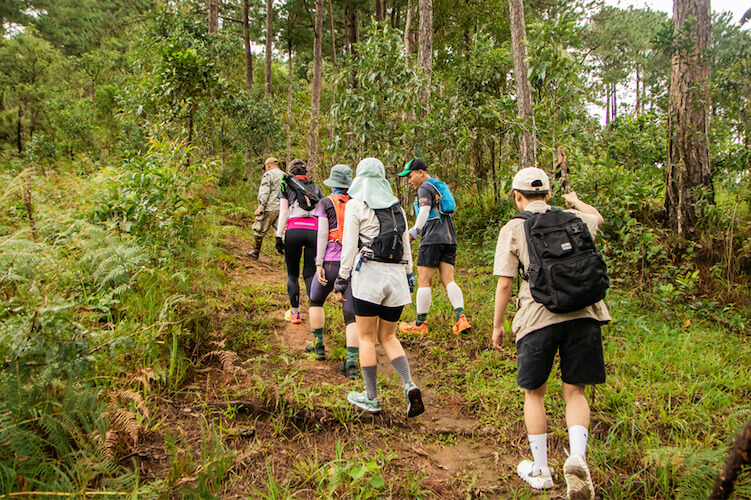
This is the park’s most iconic experience and the main reason travelers journey to Gombe. Guided by expert trackers, visitors hike through the thick forests in search of the chimpanzee troops made famous by Jane Goodall’s studies.
Once found, you’ll spend precious time quietly observing them as they play, groom, forage, and interact in remarkably human-like ways. It is an unforgettable opportunity to connect with our closest relatives in the animal kingdom in their natural habitat.
Guided Nature Walks
Beyond chimpanzees, the forest trails reveal the park’s hidden gems. These walks take you to enchanting spots such as Kakombe Waterfall and Mkenke Waterfall, where lush vegetation surrounds cascading water.
Along the way, you may encounter red colobus monkeys, vervet monkeys, bush pigs, and a wide range of butterflies. Guides enrich the journey with fascinating stories about the flora, fauna, and the groundbreaking research history of the park.
Bird Watching
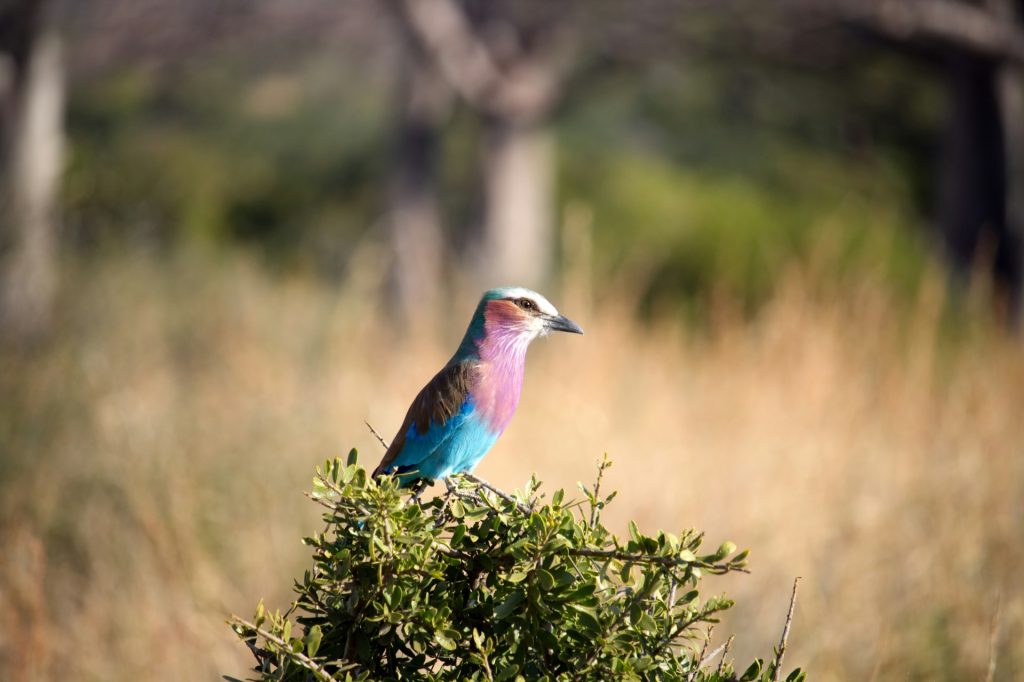
With more than 200 bird species, Gombe is a paradise for bird enthusiasts. From forest dwellers like Peter’s twinspot and tropical boubou to raptors such as palm-nut vultures and fish eagles circling the lake, the diversity is astounding.
The combination of forest canopy, open woodland, and lakeshore environments creates excellent opportunities for spotting a wide variety of species, making birding here both rewarding and unique.
Lake Tanganyika Experiences
After forest adventures, the tranquil waters of Lake Tanganyika provide the perfect contrast.
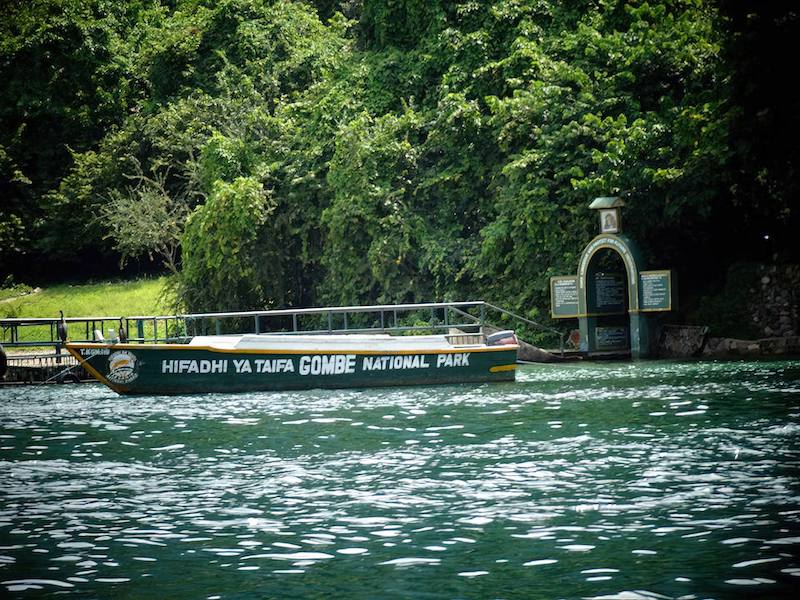
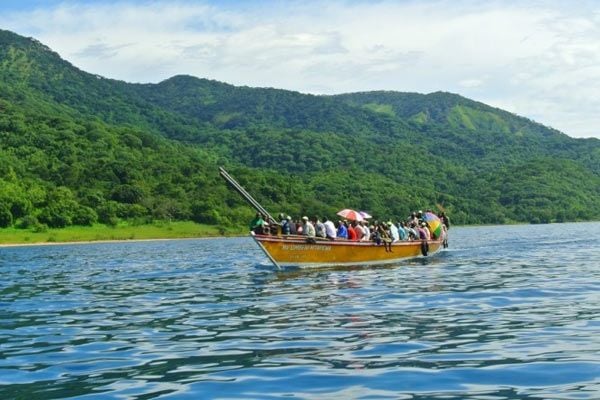
Visitors can swim in the clear, refreshing lake, go snorkeling to discover its extraordinary cichlid fish, or take boat rides to enjoy panoramic views of the park’s steep hills and forests. Relaxing on the sandy shores while the sun sets over the world’s longest freshwater lake adds a serene end to an adventurous day.
The Serengeti is great year-round, but highlights vary by season. January–March brings the wildebeest calving in the south, with predators nearby. June–October is best for dry-season safaris and the famous Mara River crossings.
The park enjoys warm days and cool nights most of the year. June–October is dry with clear skies, making wildlife easy to spot. November–May brings rains, greener scenery, and excellent birdwatching.