

Highly Recommended on TripAdvisor
About the Park
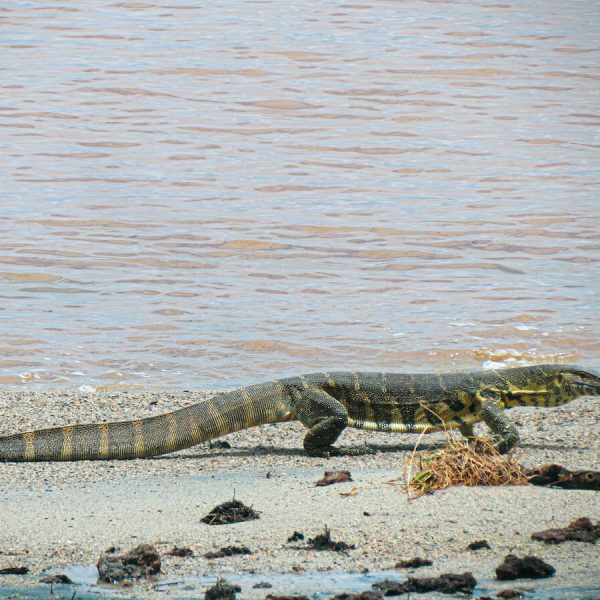
Lake Manyara National Park is a small yet stunningly diverse safari destination in northern Tanzania, covering about 330 square kilometers.
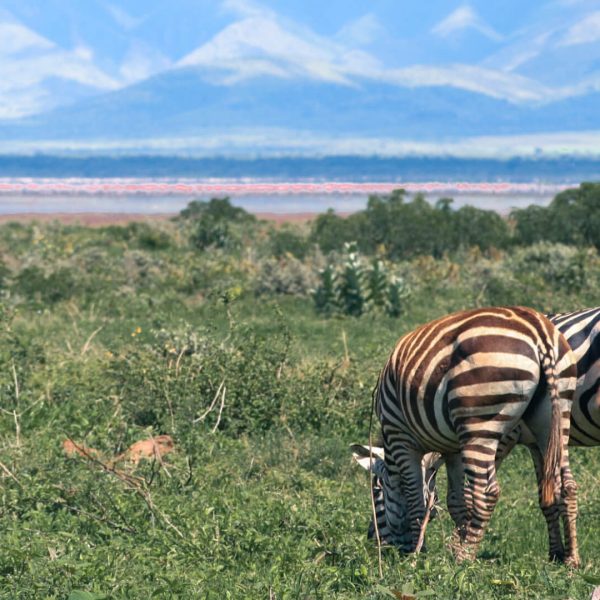
Set dramatically at the base of the Great Rift Valley escarpment, the park is a mosaic of habitats ranging from evergreen groundwater forests to open floodplains and the vast alkaline Lake Manyara itself, which dominates much of the area.
Despite its size, Lake Manyara is renowned for its exceptional variety of wildlife and landscapes, making it one of Tanzania’s most unique and picturesque safari parks.
in Lake Manyara National Park
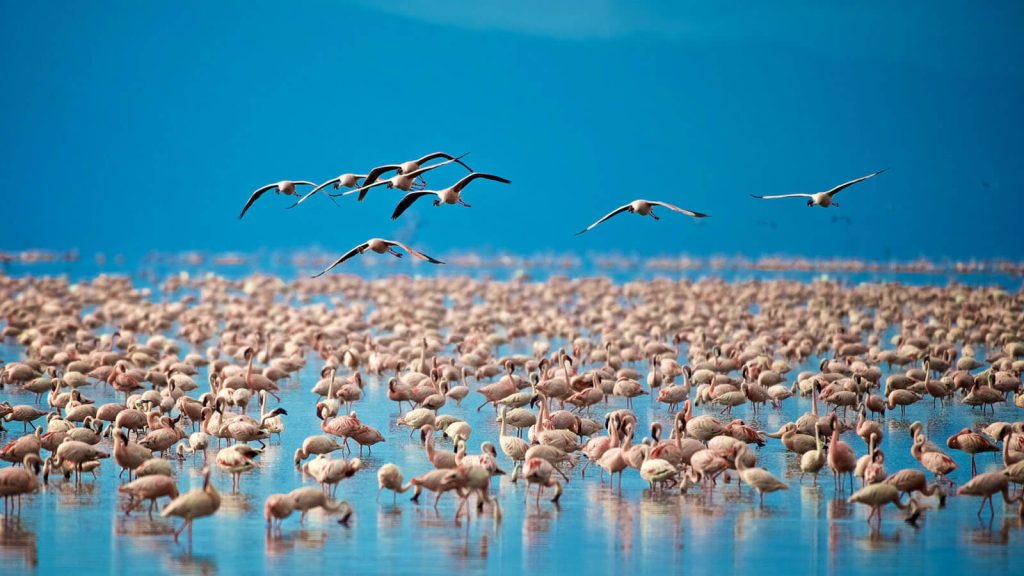
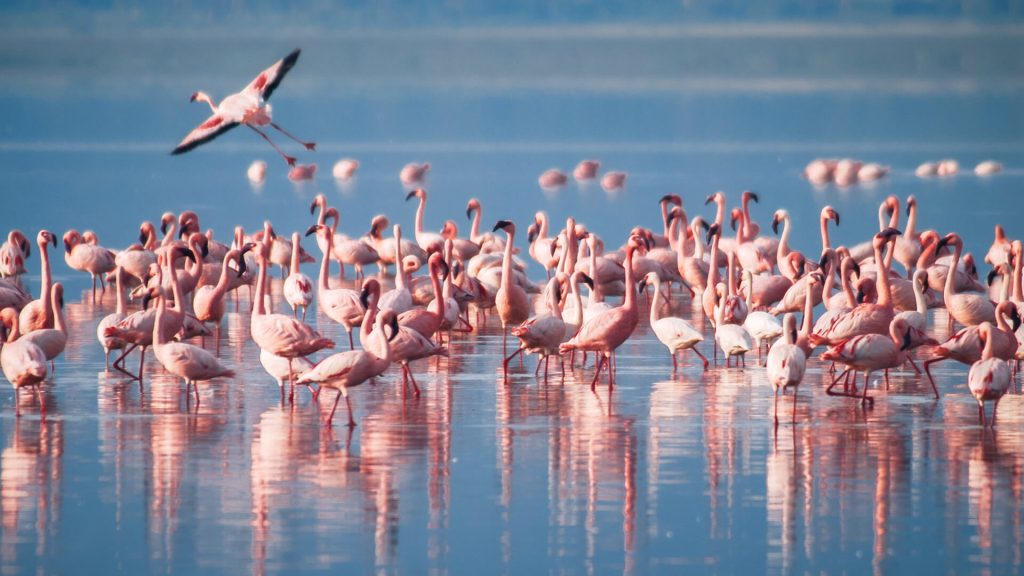
The park is best known for its famous tree-climbing lions, a rare behavior not often seen elsewhere in Africa. Lake Manyara itself attracts thousands of flamingos that paint the shoreline pink during certain seasons, along with pelicans, storks, and many other waterbirds.
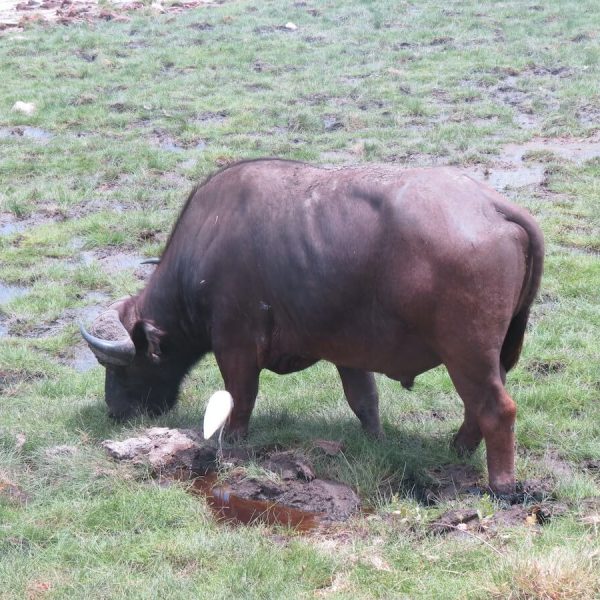
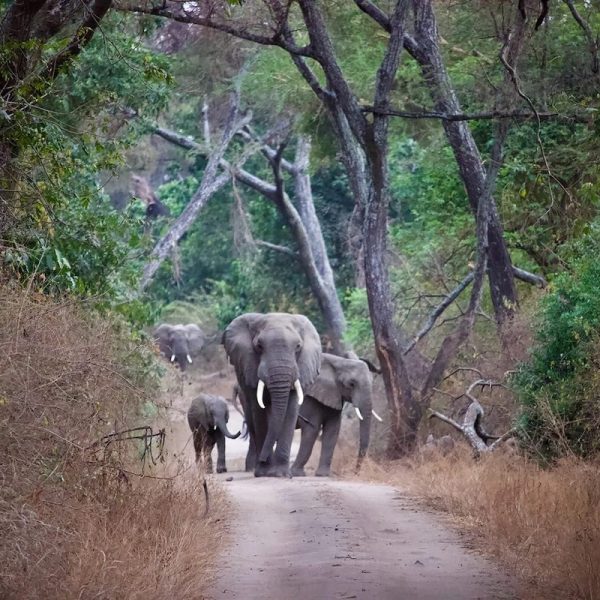
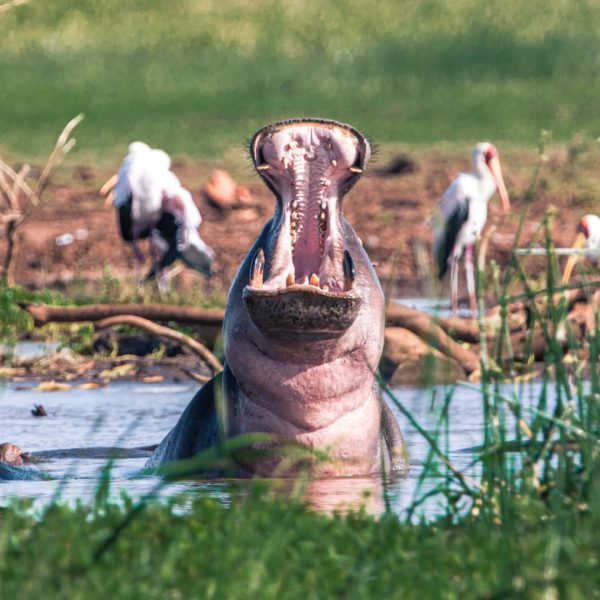
Visitors can also encounter large herds of elephants, giraffes, buffaloes, wildebeest, and hippos, as well as the park’s playful troops of baboons—the largest concentration in Africa. The groundwater forest with fig and mahogany trees, the Maji Moto hot springs, and the breathtaking views from the Rift Valley escarpment further add to the park’s allure.
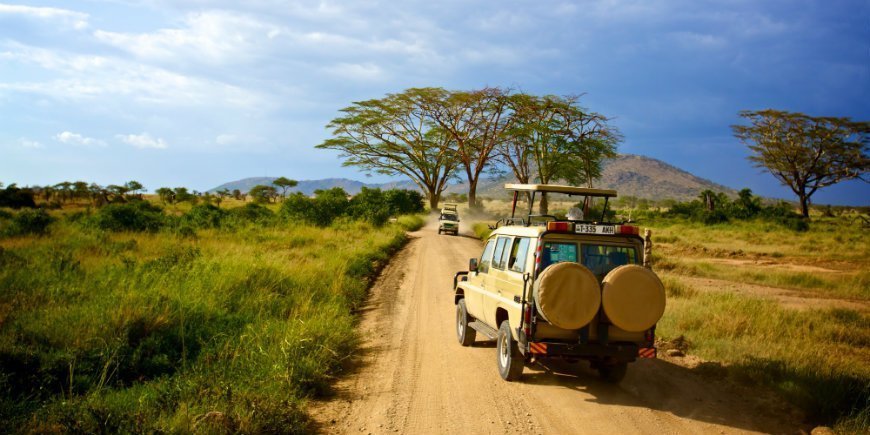
Safari Game Drives
Explore the park’s varied habitats on morning or afternoon drives, with opportunities to see elephants, giraffes, buffaloes, hippos, and the park’s signature tree-climbing lions.
The mix of forest, savannah, and lakeshore scenery ensures a constantly changing safari experience.
Bird Watching
With over 400 species recorded, Lake Manyara is one of Tanzania’s richest birding destinations.
Visitors can spot flamingos, pelicans, herons, hornbills, and migratory species, making it a must-visit for both casual bird lovers and serious birders.
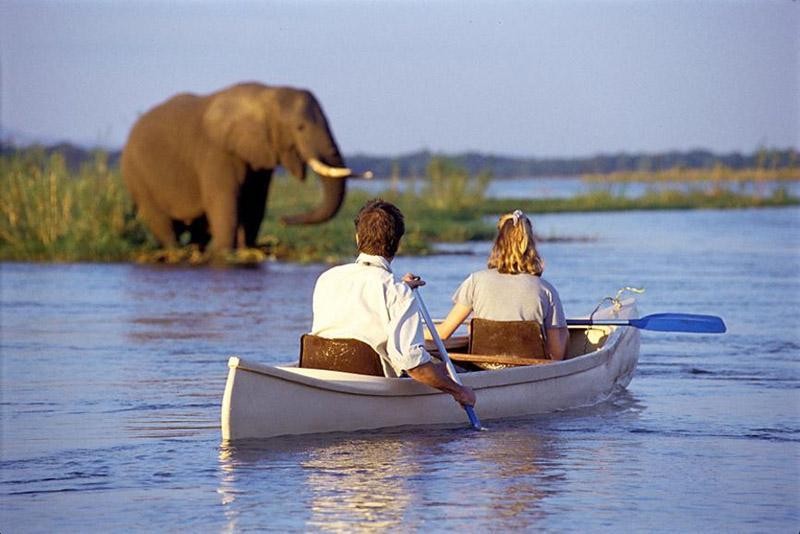
Canoeing (seasonal)
When water levels allow, canoeing offers a tranquil way to enjoy the lake and its wildlife.
From the water, guests can spot hippos, waterbirds, and breathtaking reflections of the escarpment, creating a serene and unique safari perspective.
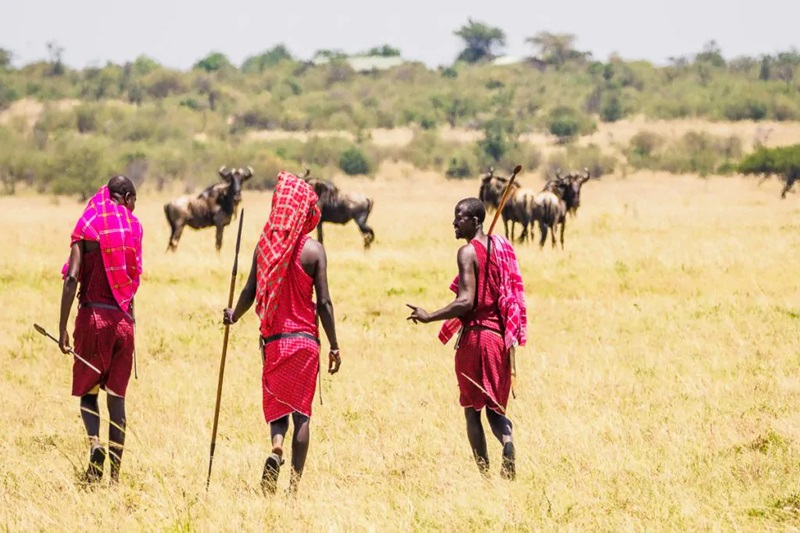
Cultural Visits
Trips to nearby villages provide insight into Maasai and other local cultures.
Guests can learn about traditional practices, explore local markets, and experience community life, offering a balance between wildlife and cultural discovery.
The Serengeti is great year-round, but highlights vary by season. January–March brings the wildebeest calving in the south, with predators nearby. June–October is best for dry-season safaris and the famous Mara River crossings.
The park enjoys warm days and cool nights most of the year. June–October is dry with clear skies, making wildlife easy to spot. November–May brings rains, greener scenery, and excellent birdwatching.

Tell us your ideas, and we’ll craft a personalized safari itinerary
+255 754 612 288
+255 739 972 218