

Highly Recommended on TripAdvisor
About the Park
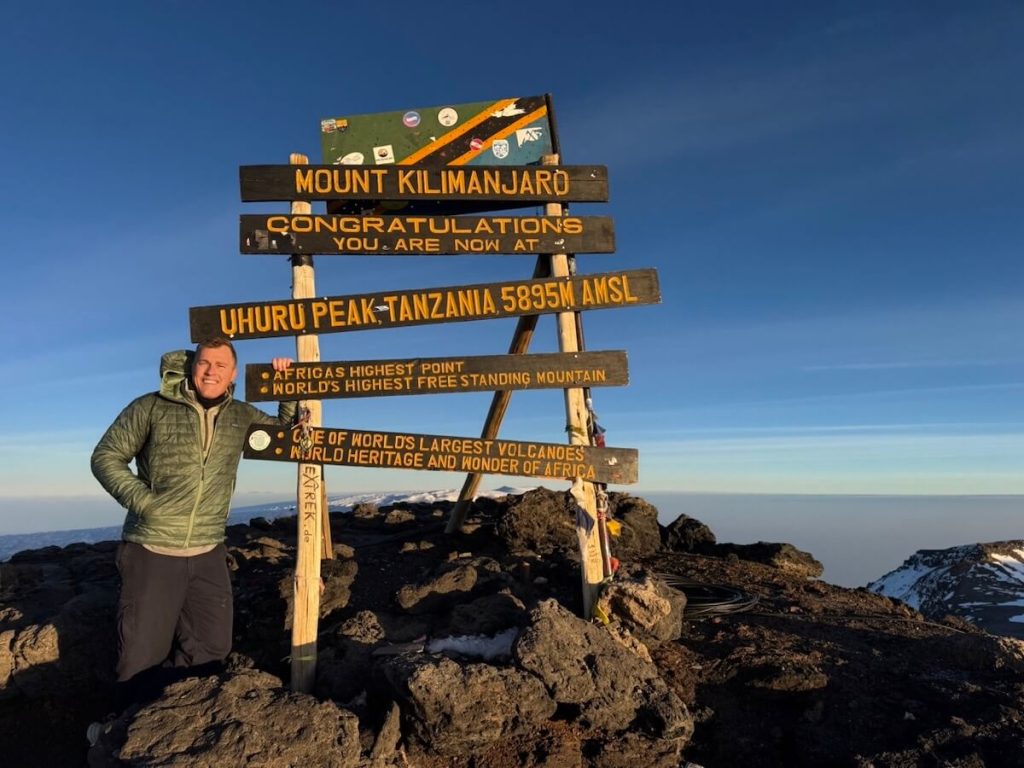
Mount Kilimanjaro National Park, a UNESCO World Heritage Site, is home to Africa’s highest peak, Mount Kilimanjaro, rising majestically to 5,895 meters above sea level.
Located in northeastern Tanzania, the park is a unique blend of snow-capped peaks, alpine deserts, montane forests, and savannah at its base. It attracts adventure seekers and nature lovers from around the world, offering a range of trekking routes suitable for various levels of experience.
The park is not only a climbing destination but also a haven for diverse wildlife and stunning scenery.
in Mount Kilimanjaro National Park
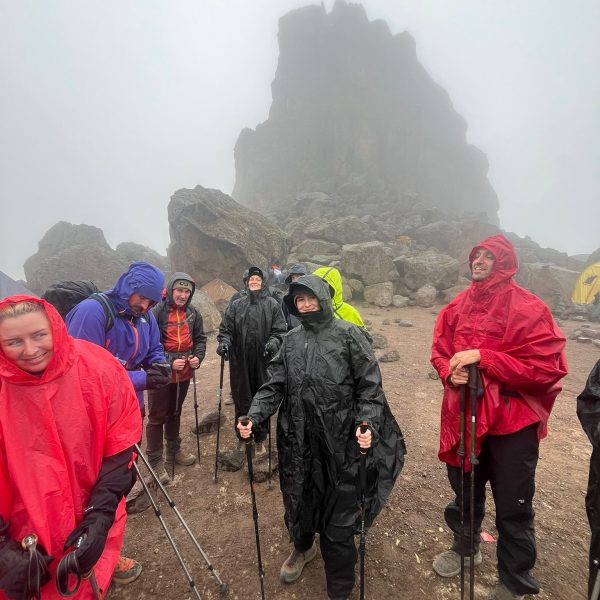
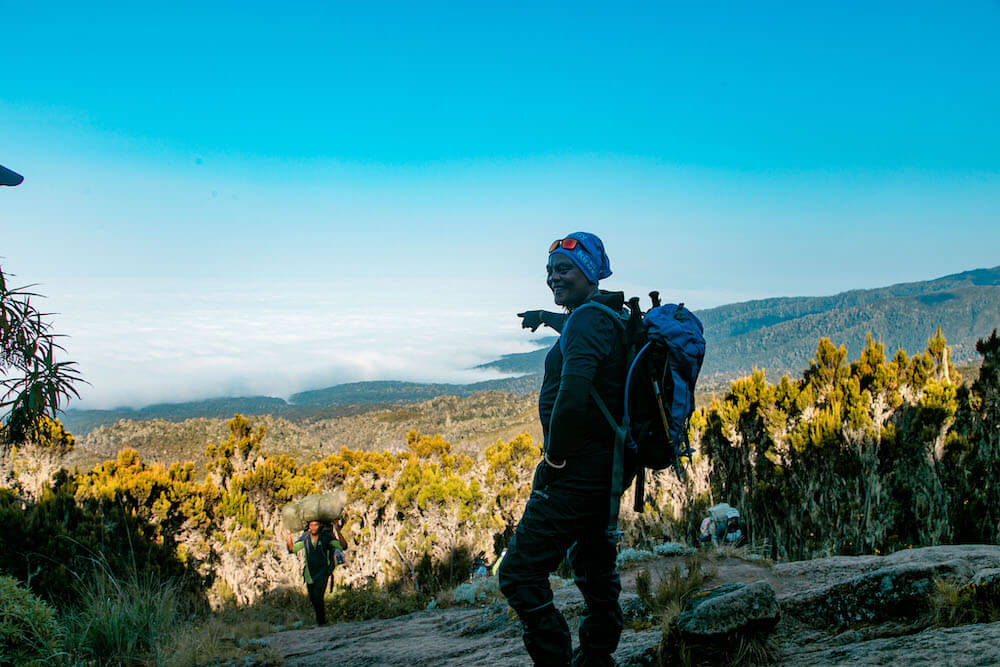
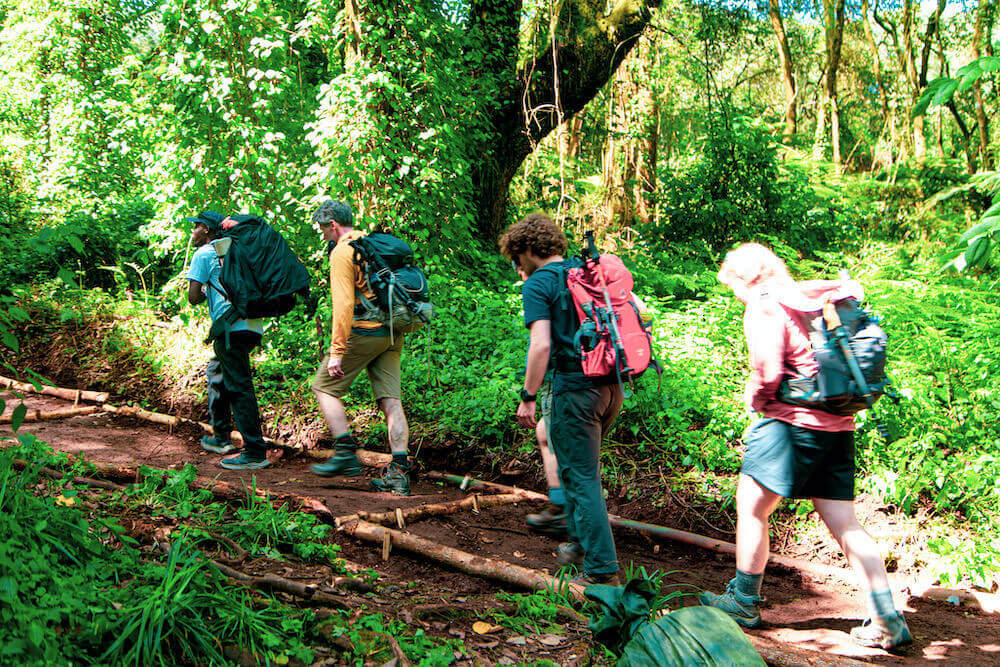
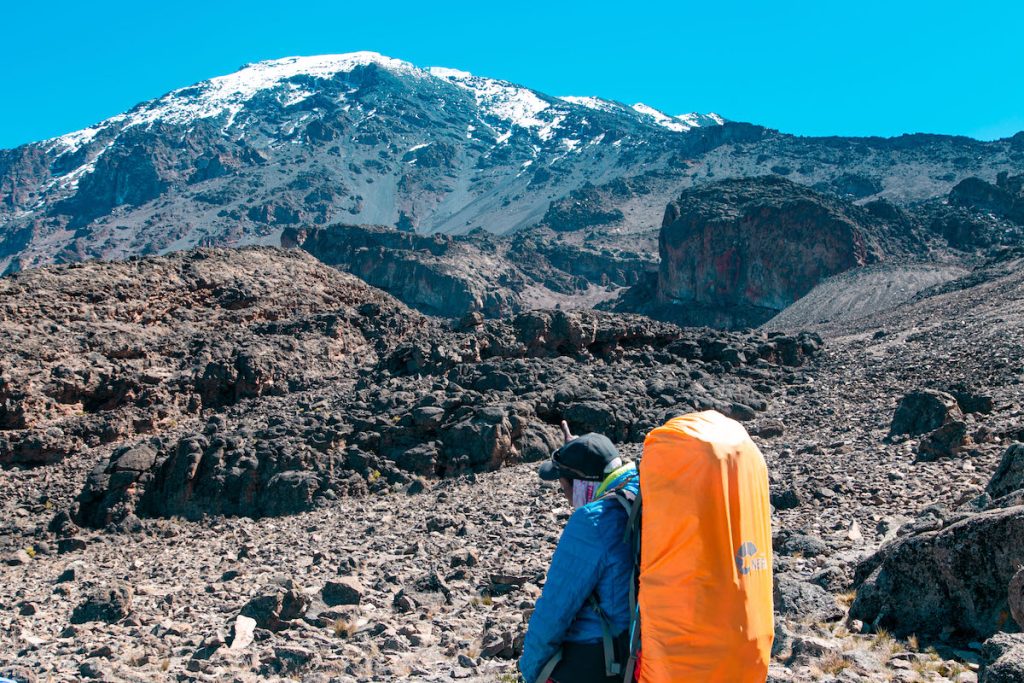
The park’s main attraction is the iconic Mount Kilimanjaro itself, including its three volcanic cones: Kibo, Mawenzi, and Shira. Trekking through the park, visitors pass through several ecological zones, from lush rainforest and moorlands to alpine deserts and glaciers at the summit.
Wildlife such as elephants, leopards, bushbucks, and Colobus monkeys inhabit the lower forested areas, while exotic alpine plants, giant lobelias, and unique landscapes create a breathtaking backdrop for climbers.
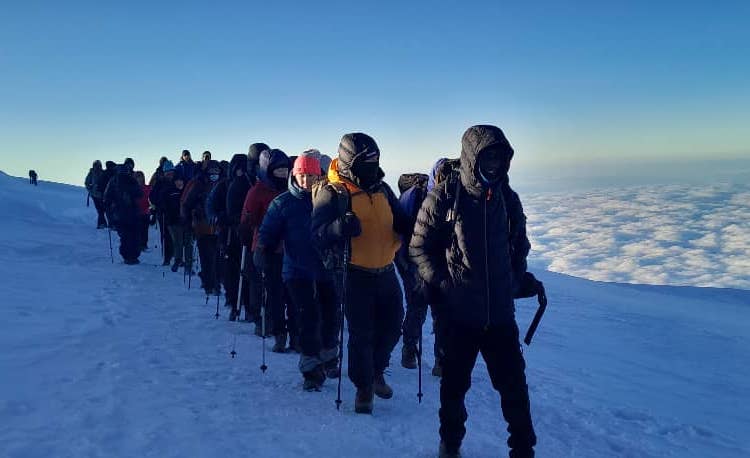
Summit Trekking
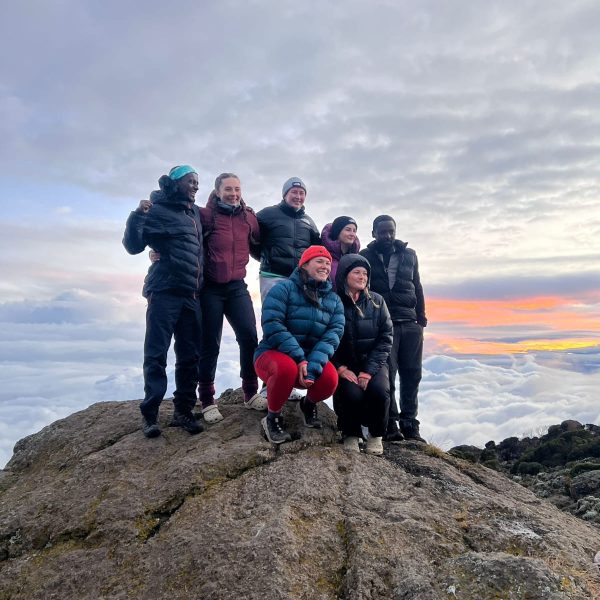
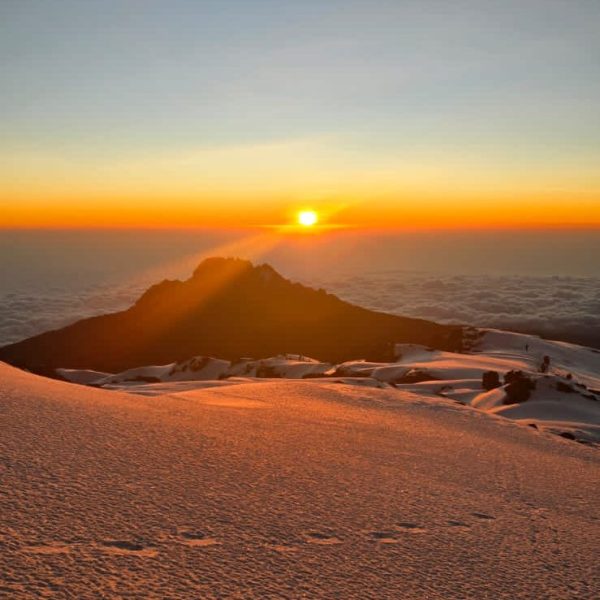
Climbers can choose from multiple routes, experiencing varying landscapes, difficulty levels, and spectacular sunrise views at Uhuru Peak.
Day Hikes
Shorter hikes through the lower rainforest and moorland zones allow visitors to enjoy Kilimanjaro’s natural beauty and wildlife without attempting the full summit.
Photography & Nature Walks
Capture the mountain’s landscapes, endemic plants, and wildlife on guided walks in the park.
Cultural Experiences
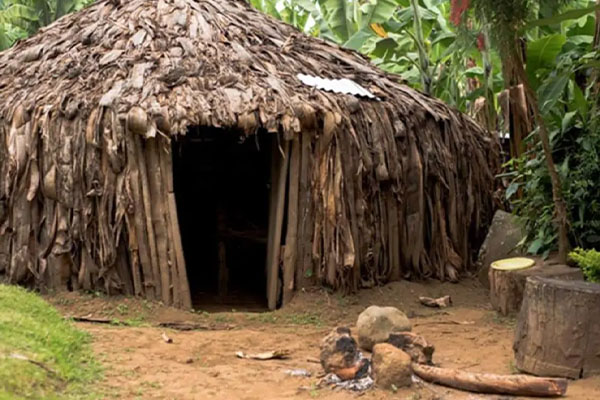
Visit Chagga villages at the mountain base to learn about traditional farming, honey harvesting, and local culture.
Known as the “Coca-Cola route,” it is the most established path with huts for overnight stays. It is considered moderate in difficulty and follows a steady ascent.
Popular for its scenic variety, this route takes a longer path with beautiful forest, moorland, and alpine landscapes. It has a higher success rate due to better acclimatization.
Known as the “Coca-Cola route,” it is the most established path with huts for overnight stays. It is considered moderate in difficulty and follows a steady ascent.
Approaching from the north near Kenya, it is less crowded and offers a gradual ascent, making it suitable for beginners.
The longest route, circling the mountain from the north, provides exceptional panoramic views and the best acclimatization for summit success.
The Serengeti is great year-round, but highlights vary by season. January–March brings the wildebeest calving in the south, with predators nearby. June–October is best for dry-season safaris and the famous Mara River crossings.
The park enjoys warm days and cool nights most of the year. June–October is dry with clear skies, making wildlife easy to spot. November–May brings rains, greener scenery, and excellent birdwatching.
Tell us your ideas, and we’ll craft a personalized safari itinerary
+255 754 612 288
+255 739 972 218