

Highly Recommended on TripAdvisor
About the Park
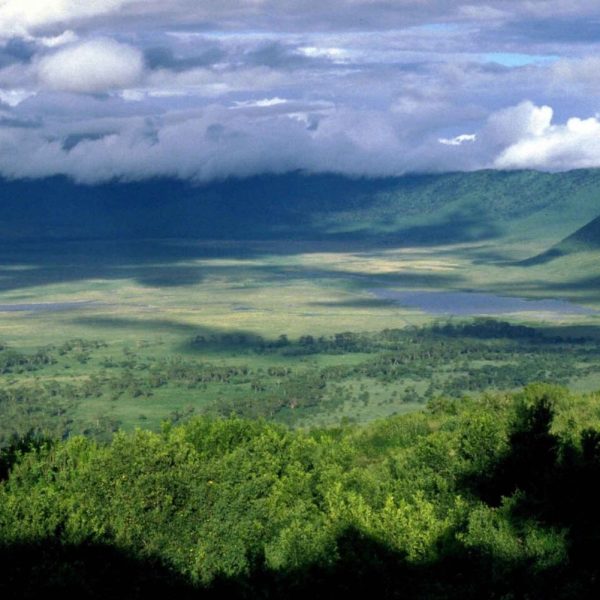
The Ngorongoro Conservation Area, a UNESCO World Heritage Site, is one of Africa’s most remarkable safari destinations, covering 8,292 square kilometers of highlands, plains, and wildlife-rich ecosystems. At its heart lies the world-famous Ngorongoro Crater, the largest intact volcanic caldera on Earth, often referred to as the “Eighth Wonder of the World.”
The area is unique for its blend of spectacular landscapes, extraordinary wildlife, and the coexistence of nature and the Maasai people who live within its boundaries. Its breathtaking scenery and unrivaled wildlife density make it a must-see on any Tanzanian safari.
in Ngorongoro Conservation Area
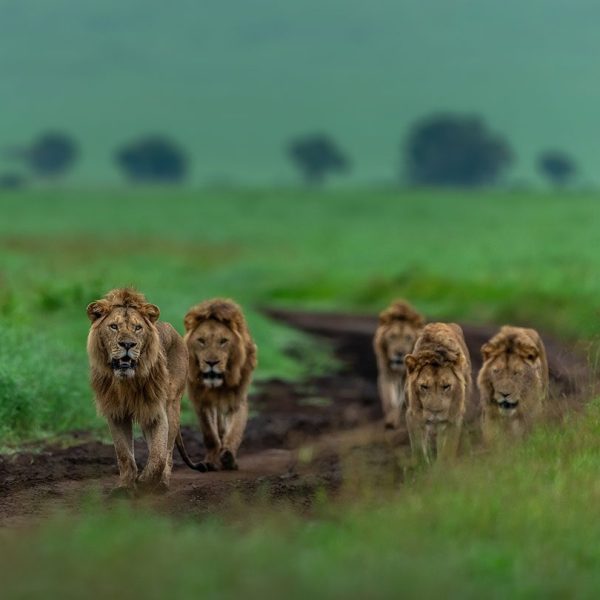
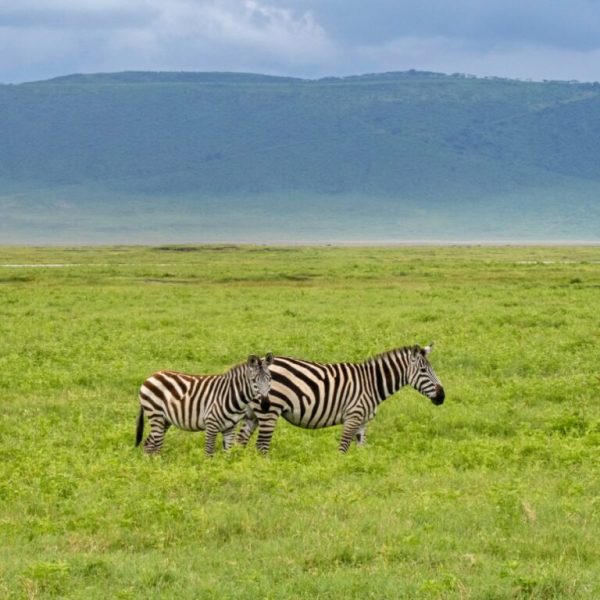
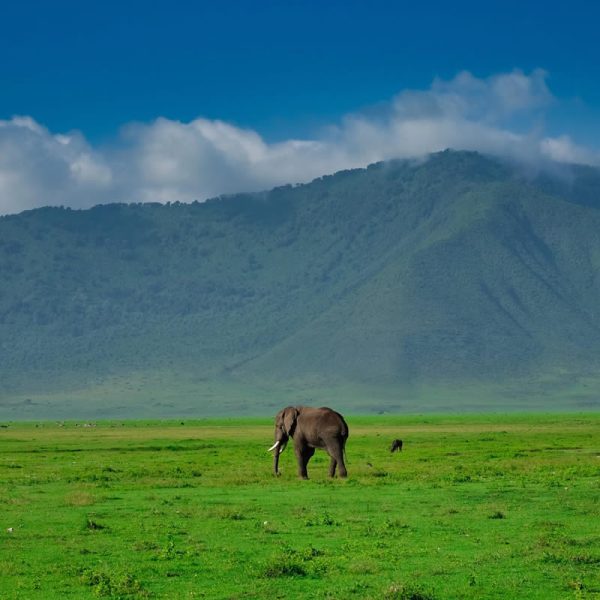
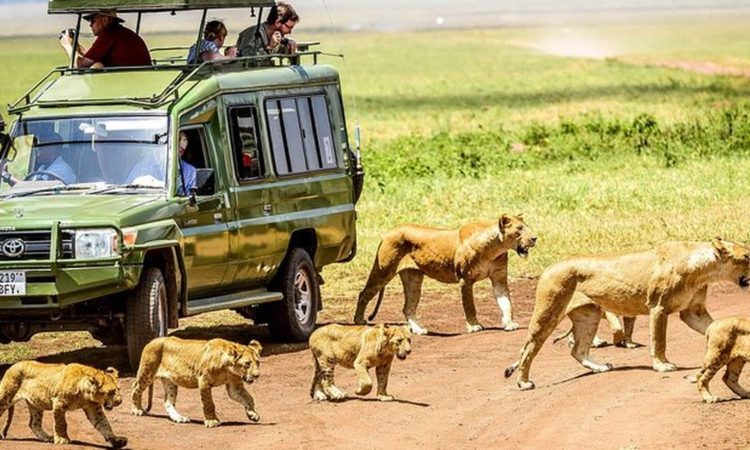
The highlight is the Ngorongoro Crater, home to about 25,000 large animals including elephants, lions, leopards, hyenas, buffaloes, hippos, and a dense population of wildebeest and zebras.
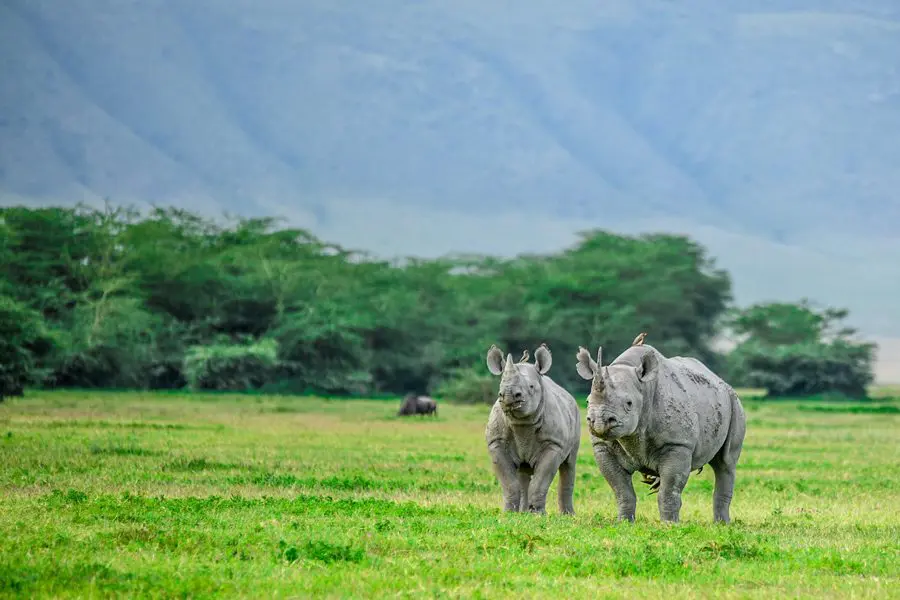
It is also one of the best places in Tanzania to spot the endangered black rhino. Beyond the crater, attractions include the Empakaai and Olmoti Craters, the Olduvai Gorge—an important paleoanthropological site where some of the oldest human fossils were discovered—and the dramatic landscapes of the highlands dotted with Maasai villages. The mix of wildlife, geology, and culture makes Ngorongoro a destination like no other.
Crater Game Drives
Descending into the Ngorongoro Crater offers an unforgettable safari experience. Visitors can observe a dense concentration of wildlife in a relatively small area, making it possible to spot elephants, lions, rhinos, hippos, and large herds of wildebeest and zebras all in a single day. Morning and afternoon drives also provide incredible lighting for photography against the crater’s dramatic backdrop.
Cultural Visits
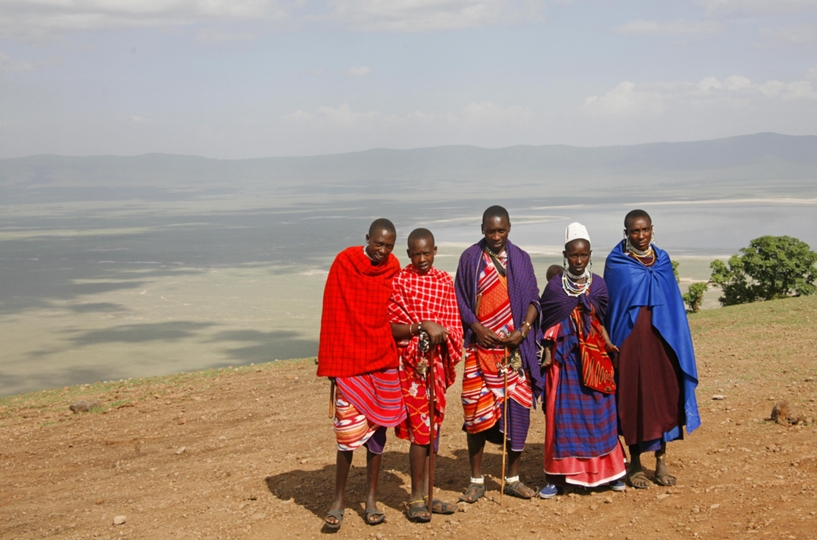
The Maasai communities living within the conservation area offer a unique cultural experience.
Guests can learn about traditional lifestyles, cattle herding practices, local customs, and the Maasai’s harmonious relationship with wildlife, giving an enriching cultural dimension to the safari.
Walking Safaris
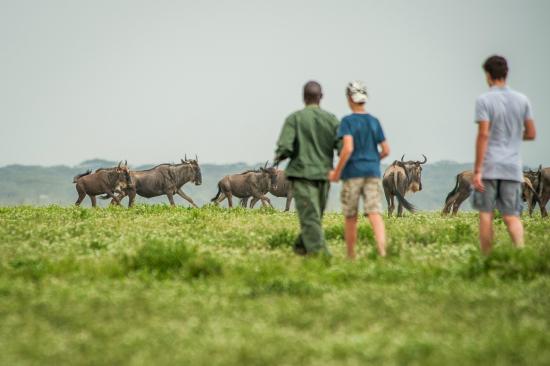
Guided walks along the crater rim, Olmoti, or Empakaai Craters allow travelers to experience the landscapes on foot.
These walks reveal smaller wildlife, bird species, plant life, and geological features that are often missed on vehicle safaris, offering a more intimate connection with nature.
Historical Exploration
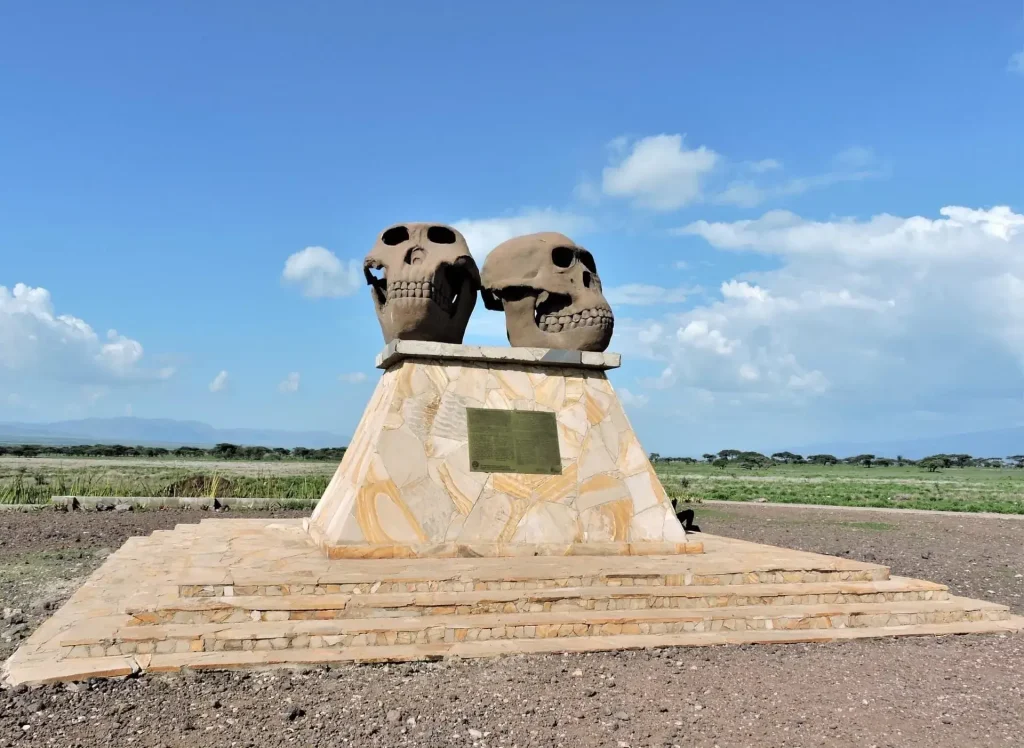
Visiting Olduvai Gorge, one of the most important archaeological sites in the world, provides insight into human evolution.
Travelers can see fossils, ancient tools, and learn about discoveries that trace the origins of mankind, blending adventure with history and science.
Ngorongoro is a year-round destination. The dry season (June–October) offers easier wildlife viewing in the crater, as animals gather around water sources. The wet season (November–May) brings lush scenery, fewer crowds, and excellent birdwatching.
The area enjoys mild, cool weather due to its high altitude. Days are generally sunny, but temperatures can drop significantly at night. The dry season is cooler and clearer, while the wet season sees occasional rain showers that freshen the landscape.

Tell us your ideas, and we’ll craft a personalized safari itinerary
+255 754 612 288
+255 739 972 218